How to Plan Painting for Melbourne’s Commercial Washrooms
Commercial washrooms need paintwork that can cope with frequent use, regular cleaning and humid conditions. A sound plan starts with the condition of the surfaces, not simply the choice of colour. For Melbourne property managers, scheduling and ventilation also matter: the work should allow coatings to dry properly while keeping disruption manageable.
Assess the room before choosing paint
Check walls, ceilings, doors and trim for peeling paint, stains, cracks, mould or soft and damaged material. Look for persistent moisture around showers, basins, plumbing and exhaust fans. Paint will not solve a leak or inadequate ventilation, so address the underlying cause before decorating. If mould is extensive or keeps returning, seek appropriate professional advice rather than covering it.

Identify the existing surface and coating where possible. Previously painted plaster, masonry, timber and metal may each need different preparation and products. If the surface is glossy, chalky or uncertain, test a small area and confirm that the proposed primer and topcoat are compatible.

Select a suitable finish and colour
Choose a coating intended for the substrate and conditions, and follow its label for preparation, application, drying and cleaning. A washable finish can make routine cleaning easier, but harsh scrubbing or unsuitable chemicals may still damage paint. Follow the coating manufacturer’s care guidance.
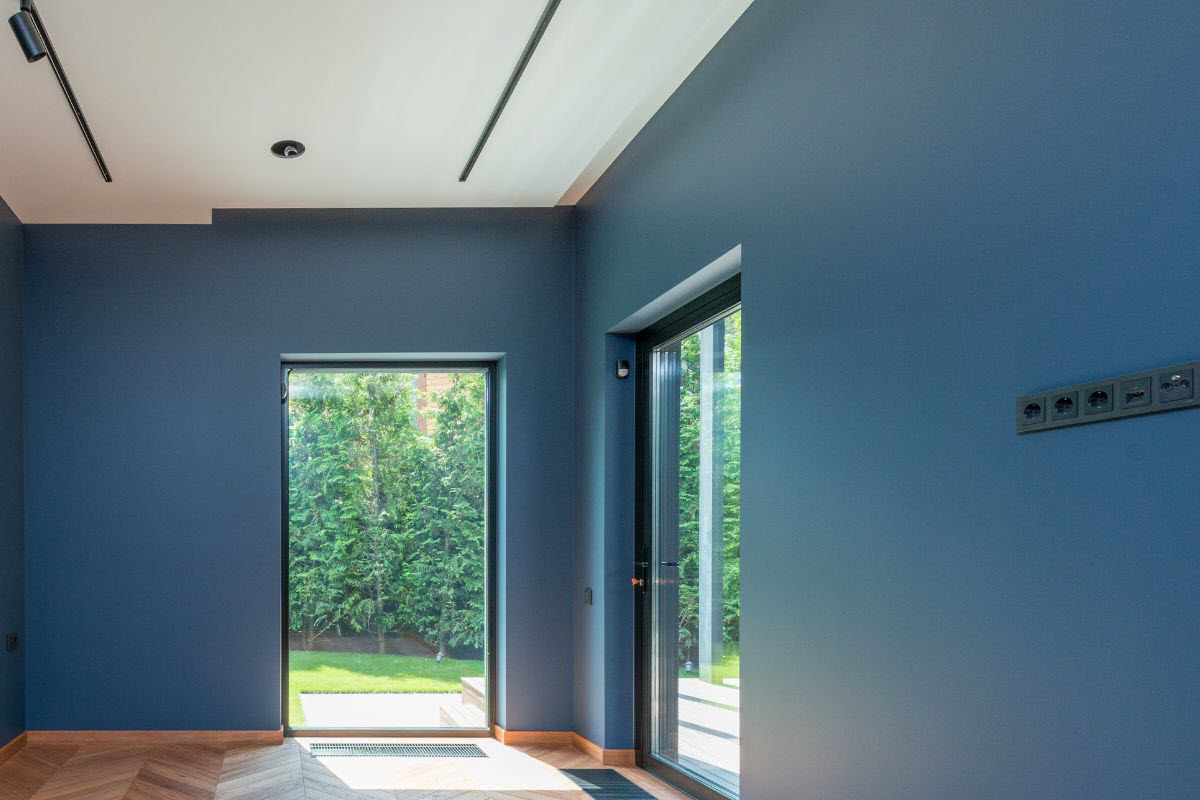
Light colours can help a compact washroom feel brighter, while mid-tones may make everyday marks less conspicuous. Consider the lighting, floor and fittings together: fluorescent or LED lighting can change how a colour appears. Test sample colours on the actual wall and view them at https://melbpaint96073161.theburnward.com/how-to-choose-paint-colours-for-melbourne-s-hallways-and-connecting-spaces different times of day before settling on a scheme.
Prepare and schedule the work
Thorough surface preparation is central to a durable result. Clean away grime and residues, allow surfaces to dry, remove loose paint, repair defects and sand where appropriate. Use a suitable primer on bare, repaired or otherwise difficult areas. Protect fixtures, floors and adjoining surfaces, and ensure the room is ventilated according to product directions.
Plan around building use. Arrange access restrictions, signage and a clear alternative washroom where needed. Allow time for preparation, coats and drying; drying and recoating times vary with the product and conditions. Avoid exposing fresh paint to moisture or cleaning before it has cured as directed.
Maintain the finish
Inspect high-contact areas periodically, including door edges, corners and surfaces near sinks. Clean gently using methods suitable for the coating, and investigate recurring peeling or staining promptly. Keeping ventilation and plumbing in good order helps protect paintwork and supports a more reliable maintenance plan.
Melbourne House Painting Pros
2/147 Swan St, Richmond VIC 3121
(03) 4051 5313